Padmani Nursing Home Logo
Surgery

Post-Surgery Care & Recovery Tips

Dr. Bharat A. Manek
May 20, 2024
8min read
Post-Surgery Care & Recovery Tips

Post-Surgery Care & Recovery Tips

The Importance of Post-Operative Care

Recovery after surgery is just as important as the surgery itself. Proper post-operative care can:

  • Reduce infection risk
  • Minimize complications
  • Speed up healing
  • Improve long-term outcomes
  • Enable faster return to normal activities
  • Immediate Post-Operative Period (First 24-48 Hours)

    Activity

  • Rest as much as possible
  • Avoid strenuous activities
  • Change positions slowly to prevent dizziness
  • Use support when standing or walking
  • Pain Management

  • Take prescribed pain medications as directed
  • Don't wait for severe pain before taking medication
  • Use non-pharmacological methods (ice, heat)
  • Report inadequate pain control
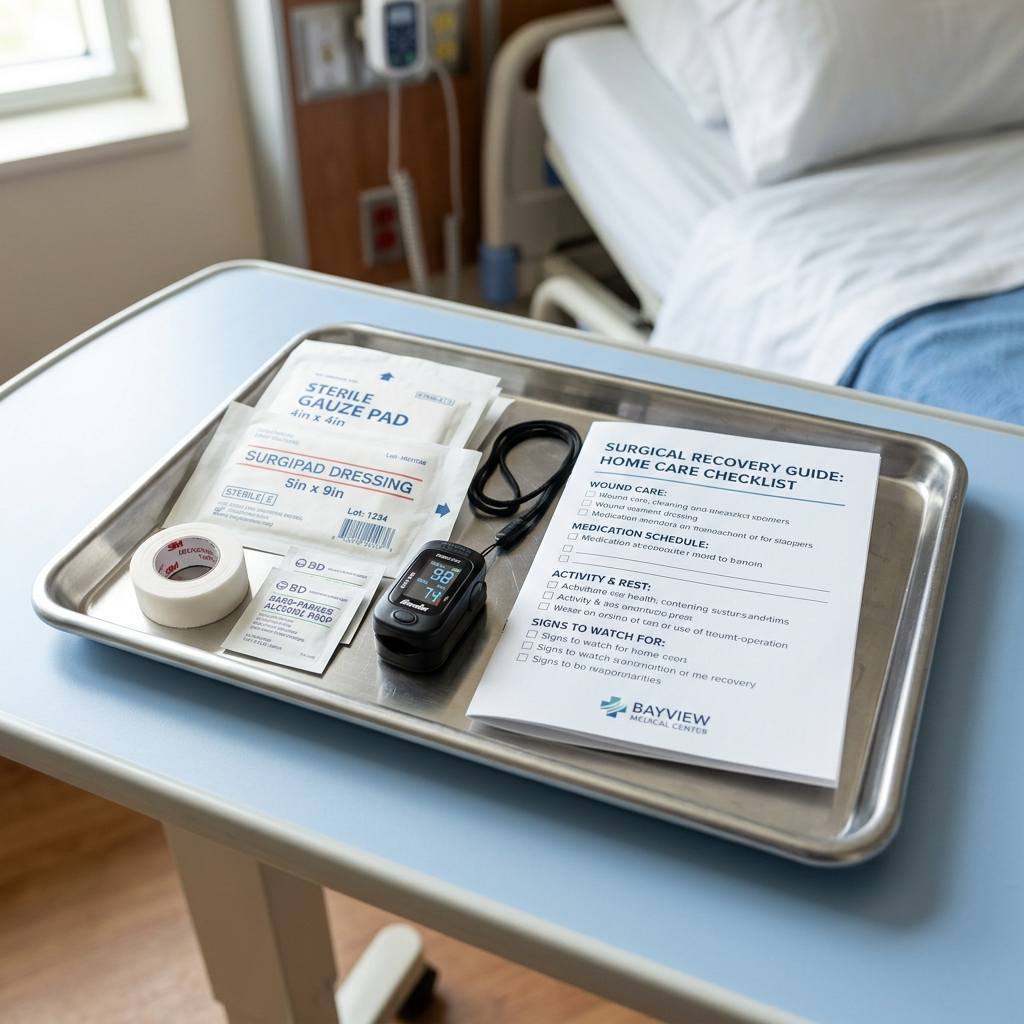
  • Wound Care

  • Keep the surgical site clean and dry
  • Follow dressing change instructions carefully
  • Watch for signs of infection
  • Don't shower until cleared by your doctor
  • Nutrition

  • Eat light, nutritious meals
  • Stay well-hydrated
  • Avoid heavy or greasy foods
  • Include protein for tissue healing
  • First Week After Surgery

    Wound Management

  • Keep changing dressings as instructed
  • Avoid touching or scratching the wound
  • Don't use lotions or ointments unless prescribed
  • Report redness, swelling, or discharge
  • Activity Progression

  • Gradually increase movement
  • Follow your surgeon's activity restrictions
  • Avoid lifting heavy objects
  • Don't drive while taking narcotic pain medications
  • Medication Adherence

  • Take all prescribed medications
  • Complete antibiotic courses
  • Report any medication side effects
  • Don't suddenly stop medications
  • Signs of Complications

    Seek immediate medical attention if:

  • Fever above 101.5°F (38.6°C)
  • Increasing pain not relieved by medication
  • Wound swelling, redness, or discharge
  • Difficulty breathing or chest pain
  • Severe nausea or vomiting
  • No bowel movement for 3-4 days
  • Leg swelling or calf pain
  • Recovery Timeline

  • Week 1-2: Wound healing begins, pain decreases
  • Week 3-4: Increased activity tolerance, return to light tasks
  • Week 6-8: Gradual return to normal activities
  • 3-6 months: Full recovery (varies by surgery type)
  • Long-term Recovery

  • Attend all follow-up appointments
  • Follow activity restrictions
  • Gradually increase exercise as approved
  • Maintain a healthy diet
  • Avoid smoking and alcohol during healing
  • Recovery Support at Padmani Nursing Home

    Our surgical team provides:

  • Detailed post-operative instructions
  • Regular follow-up appointments
  • Complication management
  • Physical therapy referrals if needed
  • 24/7 support for urgent concerns
  • Your successful recovery is our priority. Don't hesitate to contact us with any questions.

    Tags

    #surgery#recovery#post-operative#health

    Frequently Asked Questions

    Q.What are the early signs of a surgical wound infection?

    Signs of wound infection include expanding redness around the incision, warmth, swelling, yellow or foul-smelling drainage/pus, worsening pain not relieved by medication, or fever above 100.4°F (38°C). Contact your surgeon immediately if present.

    Q.How long should I wait before showering after surgery?

    Most surgical incisions must stay completely dry for 48 to 72 hours. Always follow your surgeon's specific discharge instructions before taking a shower, and avoid submerging the wound in baths or pools.

    Q.What foods help speed up wound healing after surgery?

    Foods rich in protein (eggs, paneer, lentils, chicken), Vitamin C (citrus fruits, bell peppers), Zinc (seeds, nuts), and plenty of water provide essential building blocks for tissue repair and collagen synthesis.

    Share this article
    Book Appointment